Height limit for a dog
60cm at the shoulder, at most
Bitches are capped at 56 cm. A dog over the limit is disqualified, so a 'giant' Husky is outside the breed.[2]
The breed standard
The Siberian Husky was bred to pull light loads over great distances in the Arctic. Living with one in South Africa means planning for heat, energy and escapes before anything else.
Is a Husky right for you?
Exercise at dawn and after dark, a cool place to rest, water it cannot tip over, and never a shaved coat. How to get a Husky through a South African summer.
Huskies and heat
More than two hours of exercise a day, always on a lead, in harness or behind a secure fence. The breed's own club says a Husky should never run free.
Exercise and escapes
Three inherited eye diseases, hips and two nerve conditions with DNA tests: what to ask for on both parents, and how to check it.
Health and screening
KUSA registered only 49 Huskies in 2025. What to ask any breeder about registration, health results and how the puppies were raised.
Finding a puppyThe short answers first. Every figure is from the breed standard, a kennel club, the breed's own club or KUSA's records, listed at the foot of the page. Individual dogs vary.
A Husky is a joy for an active household that plans around its needs, and a hard dog for anyone who does not. Read both lists with your own home and your own summers in mind.
Six checks protect every South African family buying a puppy, Husky or not: see the puppy with its mother, read the parents' records, sign an agreement and pay a business account only.
Read the six checks
The standard describes a friendly, gentle, alert and outgoing dog that is neither possessive like a guard dog nor aggressive with other dogs. The American breed club adds that Huskies are usually devoted to the whole family rather than to one person.
The same club warns that squirrels, rabbits, birds and cats are at risk, because Huskies are swift and patient hunters. Breed describes tendencies, not a promise: parents, early life and training shape each dog, and every dog needs supervising with children.[2][5]

The breed was made to run, and the American breed club says a Husky should never have unrestrained freedom. It loves to dig, has endless stamina and a powerful urge to run, and the club notes that a single dash into traffic can be fatal.
South African homes rely on walls and gates, so check the base of every wall for places to dig under and every corner a dog could climb before the puppy arrives. Keep gates shut, walk on a lead or a long line, and use a harness for running.[5]
Exercise and escapes
Under straight outer guard hairs sits a soft, dense undercoat. It comes out heavily about once a year and moderately the rest of the time, so brushing more than once a week is the norm, and daily brushing during the big shed.
Shaving looks like the answer to a South African summer, but it is not. A South African welfare group advises against shaving pets completely because the fur protects the skin from sunburn, and the standard allows trimming only around the feet and whiskers. Brush out the loose undercoat instead.[2][5][4][7]
Grooming a HuskySix pages written for South African families who are thinking about a Husky, with every source listed at the foot.

Three inherited eye diseases, hips, two nerve conditions with DNA tests, and the signs of heatstroke.
Husky health checks
A summer plan by region, exercise in the cool hours, force-free training, the coat and South African risks.
Living with a Husky
The usual costs of a medium-sized dog, plus the ones a Husky adds: dig-proof fencing and a cool summer room.
The cost to keep one
The questions to ask a breeder, why papers are rare, the merle and 'giant' warnings, and how Premier Pets places a puppy.
Buy a puppy safely
The Chukchi, the serum run to Nome, the standard's red lines, sled racing and the law here, and Husky rescue.
Clubs and registries
Premier Pets is a placement business, not a breeder. See how a placement works, then ask about a Husky.
How we place puppies
Bitches are capped at 56 cm. A dog over the limit is disqualified, so a 'giant' Husky is outside the breed.[2]
The breed standardThe Royal Kennel Club's guide. In a South African summer, do it at dawn and after dark.[4]
Exercise in the heatAgainst 76 in 2016 and 23 in 2024: most Huskies you will see here have no KUSA papers.[6]
Papers and what to askFrom the FCI breed standard, the Royal Kennel Club's breed guide and KUSA's 2025 registry statistics. Individual dogs vary; sources are at the foot of the page.
The Premier Pets Directory lists breeders, vets, groomers and boarding kennels across South Africa. Being listed is not an endorsement, so use the six checks with anyone you contact.
Five good places to begin, each one opening a section of this guide.

Heavy panting, odd gum colour, weakness or collapse: cool the dog with lukewarm water and drive to a vet.

When to walk, where to rest, and why water it cannot tip over matters.

What the standard disqualifies or faults, and why blue eyes earn no premium.

What the South Gauteng High Court confirmed in 2013, told plainly.
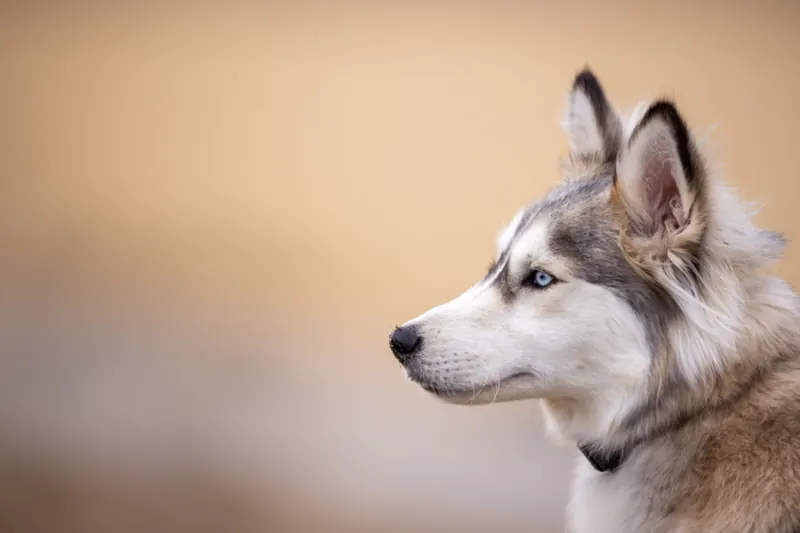
With care, yes: shade, water, a cool place to rest in the afternoon, and exercise only at dawn and after dark in summer. Heat is the first thing to plan for.[8]
No. The coat protects the skin from sunburn, and a South African welfare group advises against shaving pets completely. Brush out the loose undercoat instead.[7][2]
A heavy shed about once a year, and moderate shedding the rest of the time.[5][4]
They have a powerful urge to run and love to dig. Keep a Husky on a lead, in harness or behind a high, dig-proof fence, and keep gates shut.[5]
No. The standard describes a dog with no suspicion of strangers.[2]
Often not. The American breed club warns that their hunting instinct is strong, and small pets are at risk.[5]
No. Brown, blue, one of each and particoloured eyes are all allowed, with no preference.[2]
Over 10 years, by the Royal Kennel Club's guide. Heatstroke and road accidents after escapes are risks worth planning against.[4]
A yearly eye examination by a veterinary ophthalmologist and hip results at least; better still, the breed's DNA tests.[9][10]
In 2013 the South Gauteng High Court confirmed that sled-dog racing counts as dog racing, which a provincial ordinance prohibits. Check the current law before any event.[11]
KUSA recorded only 49 in 2025, so most Huskies are sold without papers. Ask about registration, and about health results, early.[6]
Only for a first-time owner who is active, patient and ready to secure the property. Read the two lists above honestly before you decide.[5]
Husky Rescue South Africa is a volunteer non-profit that rehomes Huskies, with a shelter in Johannesburg and foster homes elsewhere. Contact it directly.[12]
Start with the breeders listed in the Premier Pets Directory, or search it for Huskies, and ask each breeder about the parents' eyes, hips and how they cope with the heat.
The directory draws on public sources, and breeders can claim, correct or remove their own listings. A listing is no recommendation, and Premier Pets has not checked a breeder unless its page says that it has.
Written from the sources above for Premier Pets. Last reviewed 27 November 2026. Spot something out of date? Email sales@premierpets.co.za.